Energy
Onsite generation, sized to the load and firmed with multi-fuel supply.
Three kinds of customer, one stack. What changes between them is how many layers you want us to carry and how the deal is structured.
Onsite generation removes the two things a large load cannot control: the interconnection queue and the grid's reliability. Power is produced where it is used, sized to the load, and firmed with storage and multi-fuel generation. The grid, where available, becomes one input among several.
Power is where we start, not where we stop. The shell holds every layer a campus runs on: energy at the base, then cooling, connectivity and the racks on top.
Onsite generation, sized to the load and firmed with multi-fuel supply.
Liquid-cooled racks from day one, with heat rejection sized for hot, humid climates.
Subsea and long-haul fibre, screened before the site is chosen.
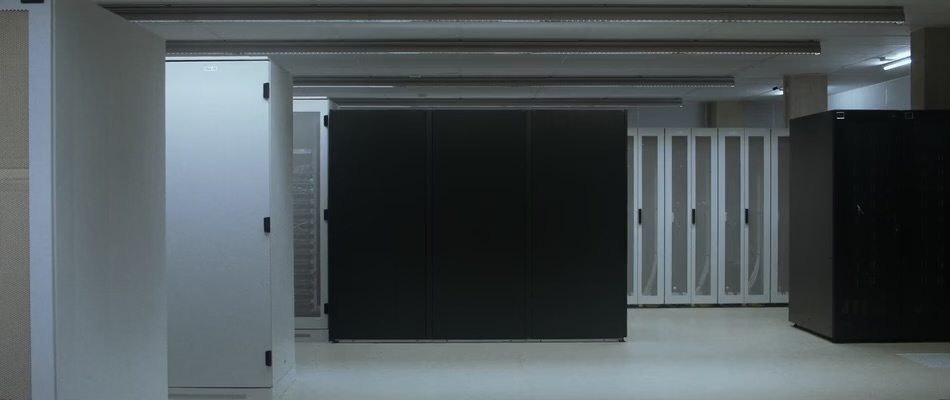
The racks, the cabling and the floor they stand on. Tenants bring their own compute.
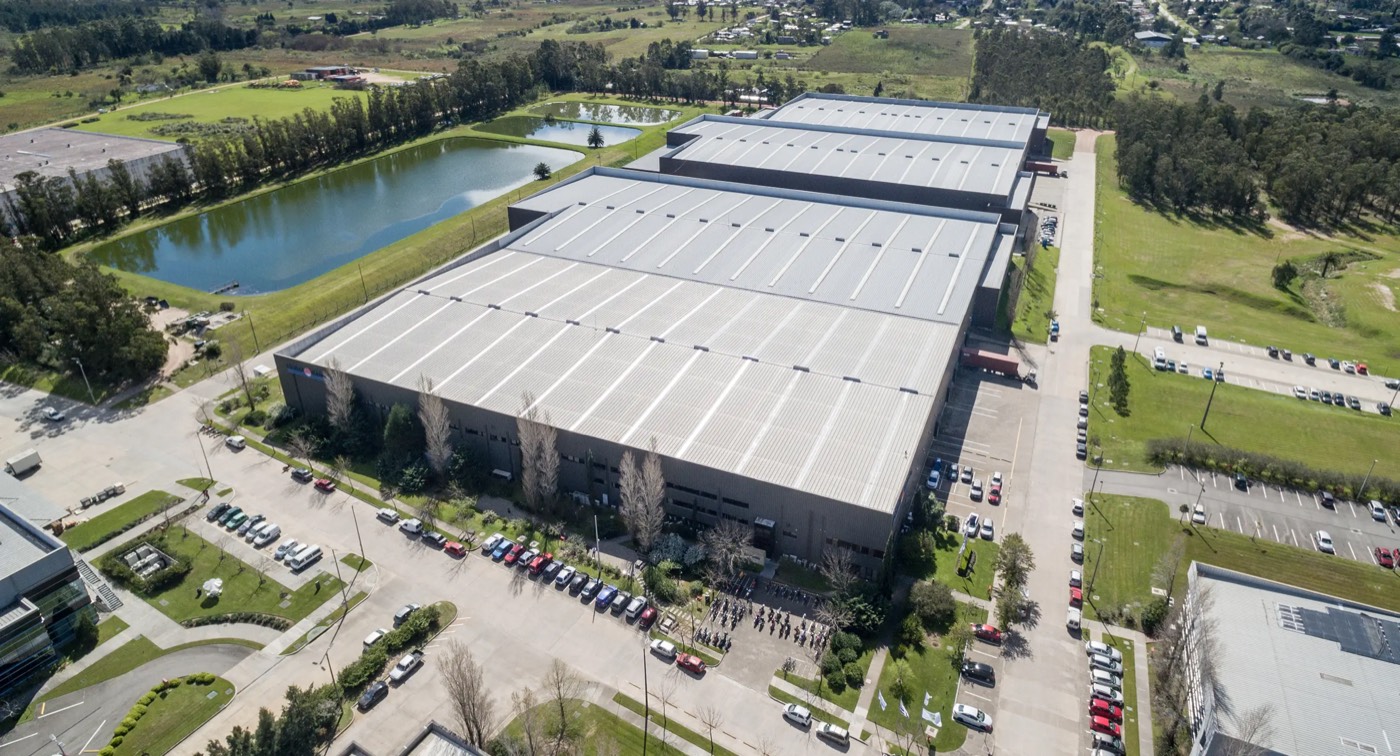
A powered shell owns the land, the building, the power, the cooling and the connectivity, and leases space to tenants who bring their own equipment, including operators that sell GPU capacity by the hour. BioVerdi SAS builds the shell.
We sequence the project the way capital should flow: power and land first, because they are the scarce assets, and computing equipment in tranches against signed demand.
Before a site is chosen we screen it for grid headroom, flood and drainage risk, port access for heavy equipment, subsea and long-haul fibre, and free-zone incentives. The grid is treated as one economic input: a dedicated feeder, N+1 backup generation, battery ride-through and a bilateral power contract keep the campus independent of any single utility.
Commercial model: development services alongside a power purchase agreement, or a joint build-own-operate structure for the plant and the shell.
Optional hemplime walls cut the sun's heat and the noise that reach the data hall, in new builds and existing sites.
Hemplime wallsThe problem: AI compute needs firm, dense, continuous power on a schedule the grid cannot meet.
The configuration: solar plus storage for energy, biodiesel, waste-to-energy and hydrogen fuel cells for firm capacity, N+1 generation, full behind-the-meter delivery, capacity released in tranches.
Commercial model: long-term power purchase agreement, or build-own-operate with the plant on your site.
Where we fit: every layer, from the energy to the cooling, the connectivity and the racks.
The problem: manufacturers and free-zone operators face rising tariffs and unreliable supply.
The configuration: a shared microgrid serving several tenants, waste-to-energy fed by the zone's own waste streams.
Commercial model: power purchase agreement per tenant, or a powered shell for anchor tenants.
Where we fit: the energy layer, and the shell and its cooling where an anchor tenant wants one.
The problem: no grid, or a grid with no credible date.
The configuration: fully islanded microgrid. Solar and storage as the base, biodiesel and biomass for firming, fuel logistics designed for the site.
Commercial model: build-own-operate.
Where we fit: the energy layer.